
Mackenzie River Watershed versus Alberta's Prosperity
Very Concerned Northerner for the health of the Mackenzie River Basin.
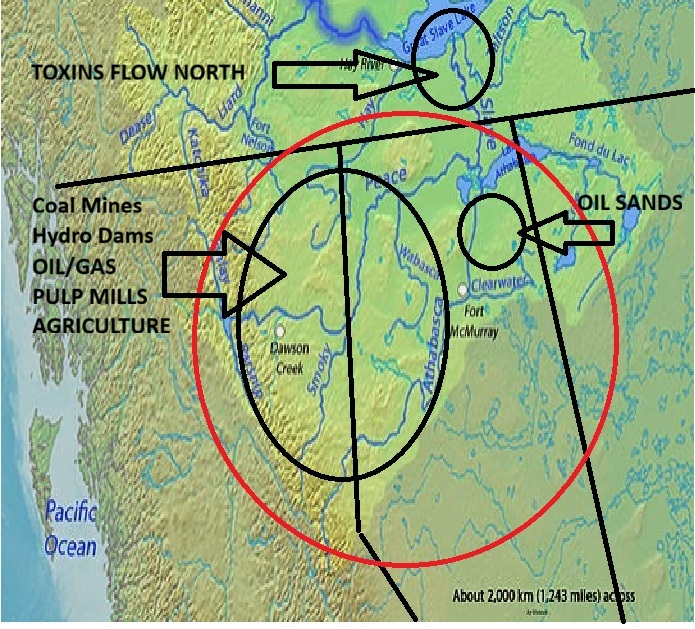
The upper watershed of the Mackenzie River Basin has several significant tributaries, including the Peace, Smoky, McLeod, and Athabasca Rivers. Collectively, these rivers flow northward into Great Slave Lake via the Slave River, contributing an impressive 30% of the total water volume that feeds into the Mackenzie River. This highlights the vital interconnectedness of our water systems, with the Peace and the Athabasca Rivers standing out as Alberta's largest rivers.
We are witnessing decisive advancements in the Upper Peace River with the operation of the Site C hydroelectric project, and BC is planning for a fourth dam. While these developments undoubtedly alter the seasonal flow dynamics of the rivers, they also represent a significant step forward for green energy in BC, but at the expense of the lower watershed, with water reduction. Additionally, the presence of four pulp mills that discharge effluent into these rivers, combined with coal mines and oil and gas developments in the Montney Basin, requires Canada's attention. It's important to acknowledge that the extraction processes rely heavily on water for hydraulic fracturing, posing a significant impact on the watershed.
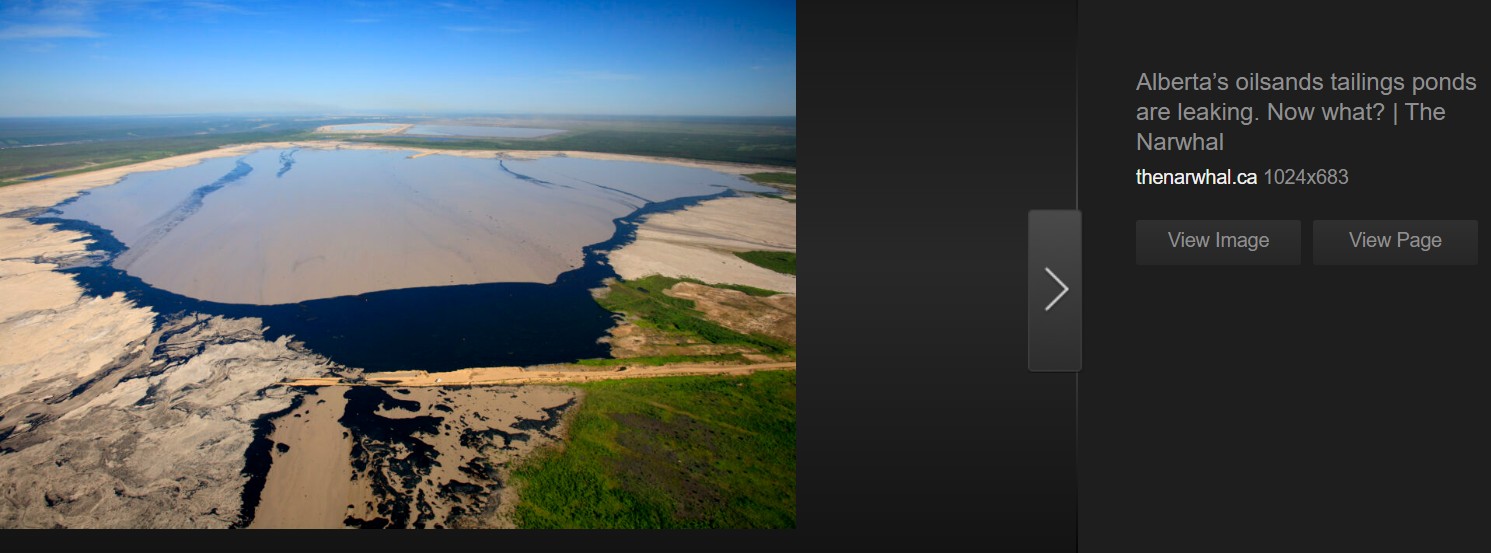
In the Athabasca watershed, we face similar environmental pressures, with coal mines near Hinton, pulp mills, and conventional oil and gas operations alongside the ever expanding oil sands industry. The existence of approximately 300 km² of 1.7 billion m3 of toxic wastewater stored on foreign-owned leased sites is concerning and represents a substantial challenge for maintaining a healthy ecosystem. As Alberta moves forward with its plans for oil sands expansion, Canada must address the increased environmental implications head-on.
Furthermore, Alberta's introduction of Bill 7 will enable the transfer of water between watersheds, effectively diminishing the remaining water resources feeding the lower Mackenzie watershed, especially as drought conditions continue to affect various regions within the province and territory.
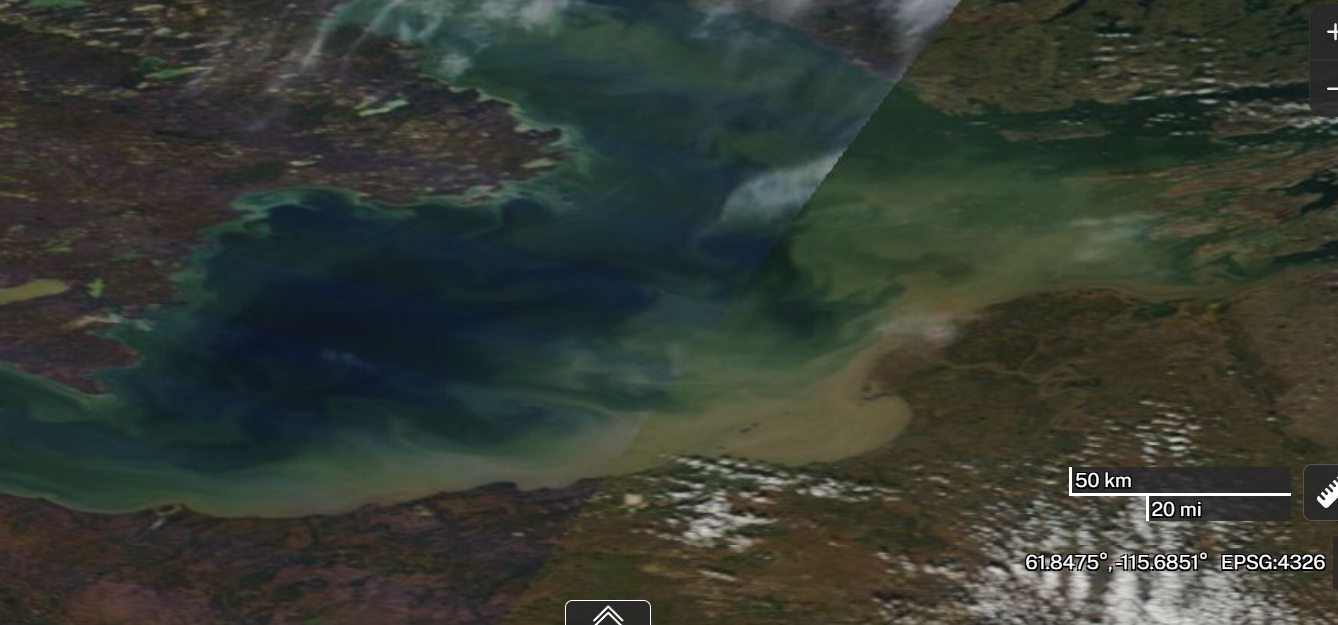
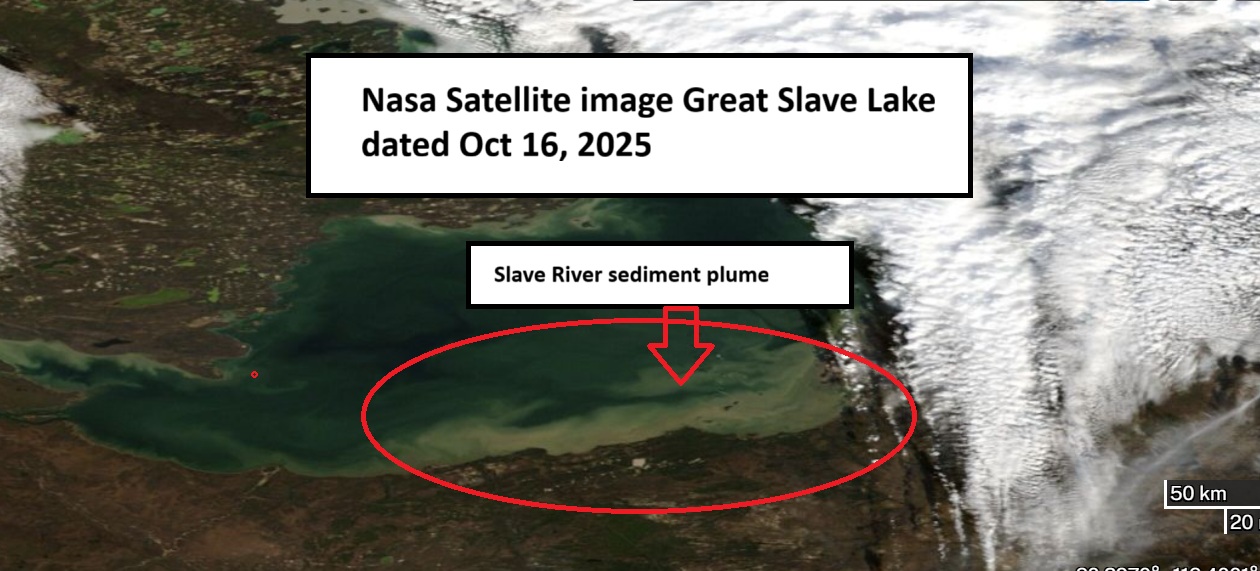
The low water levels in Great Slave Lake do not allow for sufficient flushing, and sediment and toxins from the Slave River circulate around the lake, dispersing their contents. The west basin of Great Slave Lake has a depth of up to 90 meters, while its outlet to the Mackenzie River remains shallow at -3 meters. This variation is crucial for understanding summer water levels, which, in addition to restricting any flushing, also directly affect access to the Mackenzie River for marine traffic. During the summer months, CCG and the GNWT's tug/barge vessels are increasingly facing navigation challenges after the spring freshet.
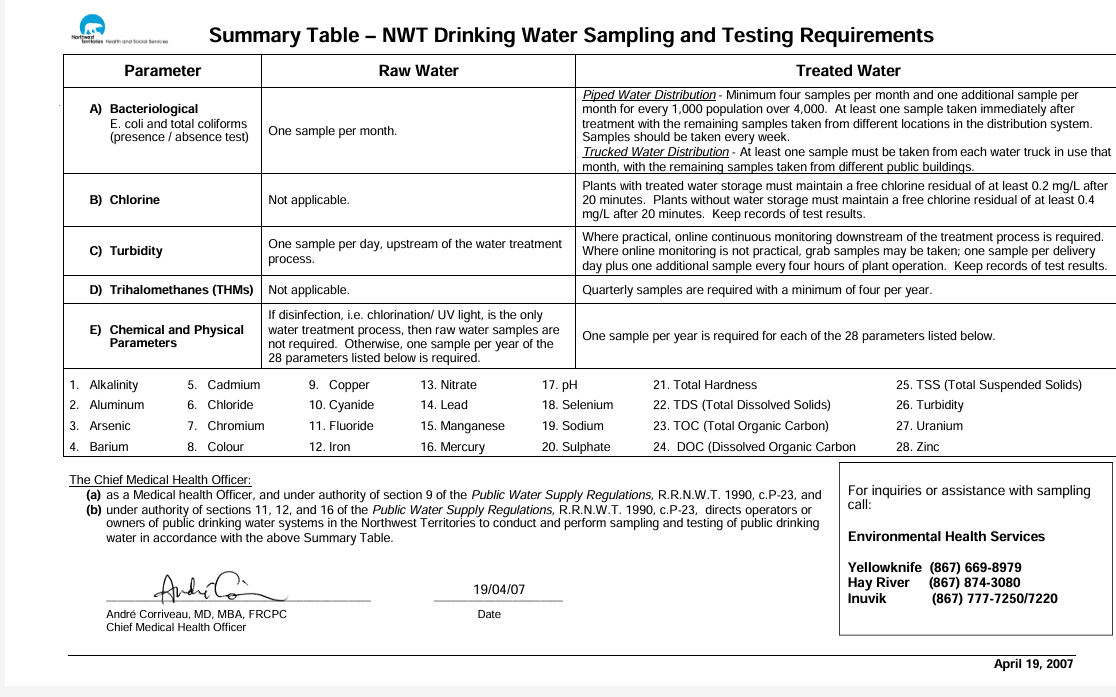
For the communities of Hay River and Fort Resolution, which draw their drinking water from the lake, the spring sediment plume from the Slave River was previously a brief event. These increased potentially toxic sediment plumes have become a year-round event due to the suspected leaching from the Oil Sands unlined settling ponds, and the sediment plumes travel directly over the water intakes of these two communities. The resulting health impacts have become very noticeable, including sickness and higher cancer rates, because there is no requirement to test for contaminants and toxins in our drinking water.
From October to February of this past year, our water intake picked up this sediment plume and triggered a THM alert for the 4 month period, resulting in a Boil Water Advisory from the GNWT Health Officer, which does nothing to remove chemicals/toxins from the drinking water.
In summary, while upstream water use is expected to reduce flow into the Slave River and, in turn, into Great Slave Lake, our concern about upstream toxins flowing downstream is valid. The relationship between water flow and toxin management is clear, and without sufficient flow and Alberta's plans to increase oil sands production, these concerns will worsen. It is imperative that Canada takes decisive action to protect our invaluable water resources and the health of downstream communities for future generations.
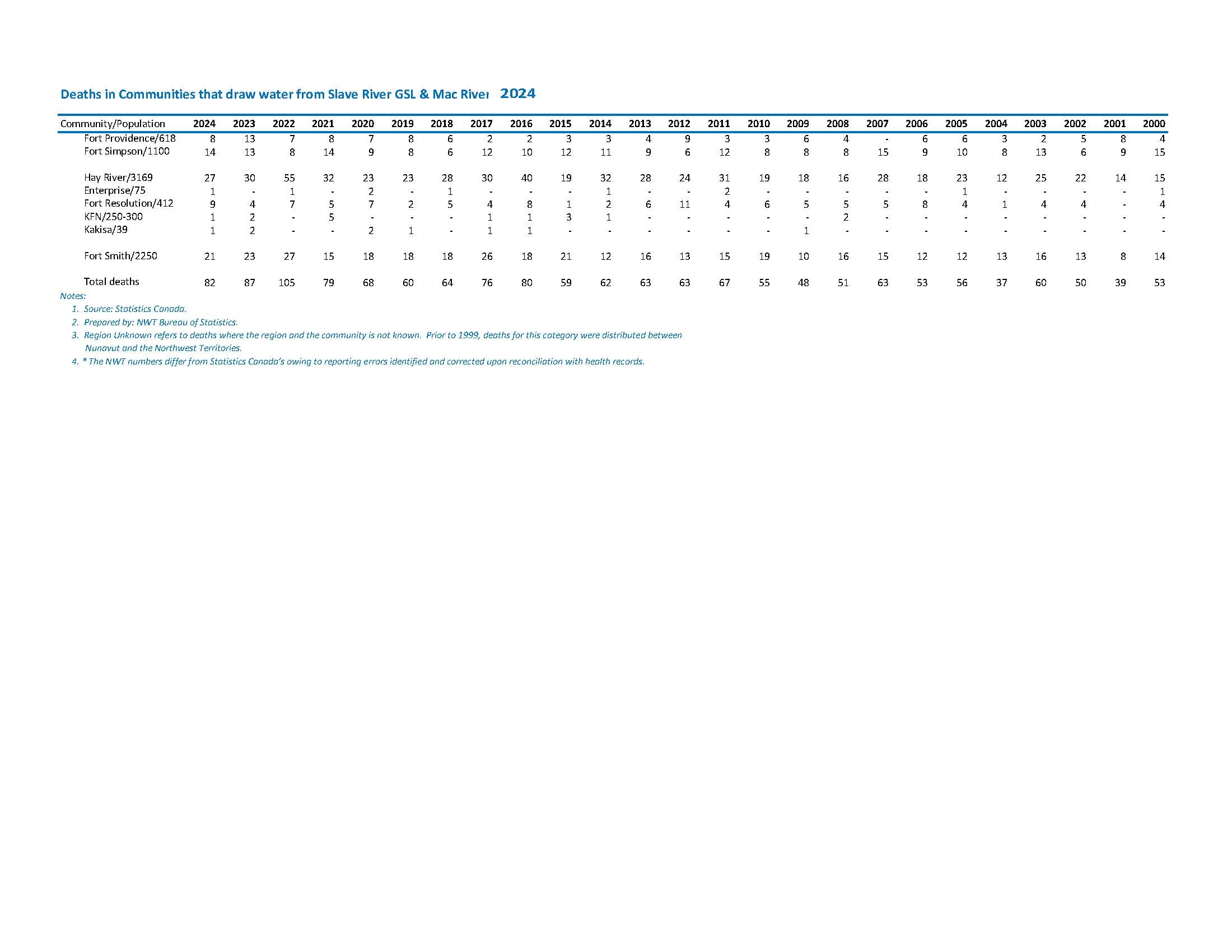
The impacts on our communities can be seen in the statistics, especially for 2016, after the 670,000 m3 Obed Coal Slurry spill, which drained into the lake during the summer of 2014, and again in 2022, following the Peace Mercer Pulp Mill, which released 30,000 m3 of toxic pulp effluent into the Peace River in April 2021.
 .
.
Consultation has concluded